NOVEMBER BIRTHSTONES
Individuals born in November can choose between two sunny gemstones to brighten up this chilly month. November’s birthstones, topaz and citrine, are both known for their calming energies, bringing warmth and fortune to those who wear them.
Topaz and citrine look so similar, in fact, that they’ve often been mistaken for one another throughout history. They are actually unrelated minerals, and topaz occurs in a wide spectrum of colors far beyond yellow.
Both of November’s birthstones are fairly abundant and affordably priced, even in large sizes, which means everyone can find a way to fit topaz and citrine into their budget.
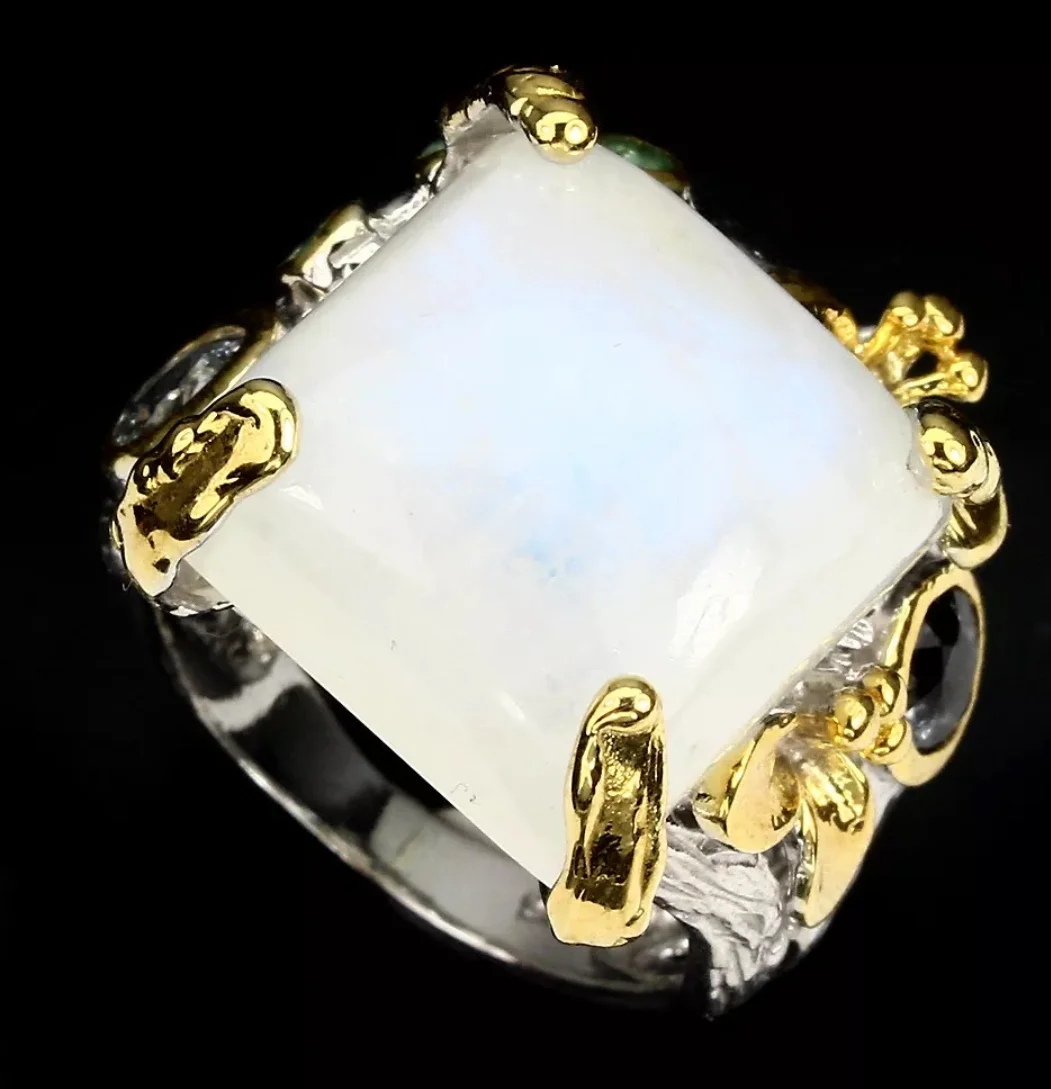
OCTOBER BIRTHSTONES. Individuals born in October get to choose between two birthstones—tourmaline and opal. Each gem then unveils nearly limitless possibilities, as each one comes in a rainbow of shades and color combinations. In fact, both of October’s birthstones came to earth through a journey involving rainbows, according to legend.
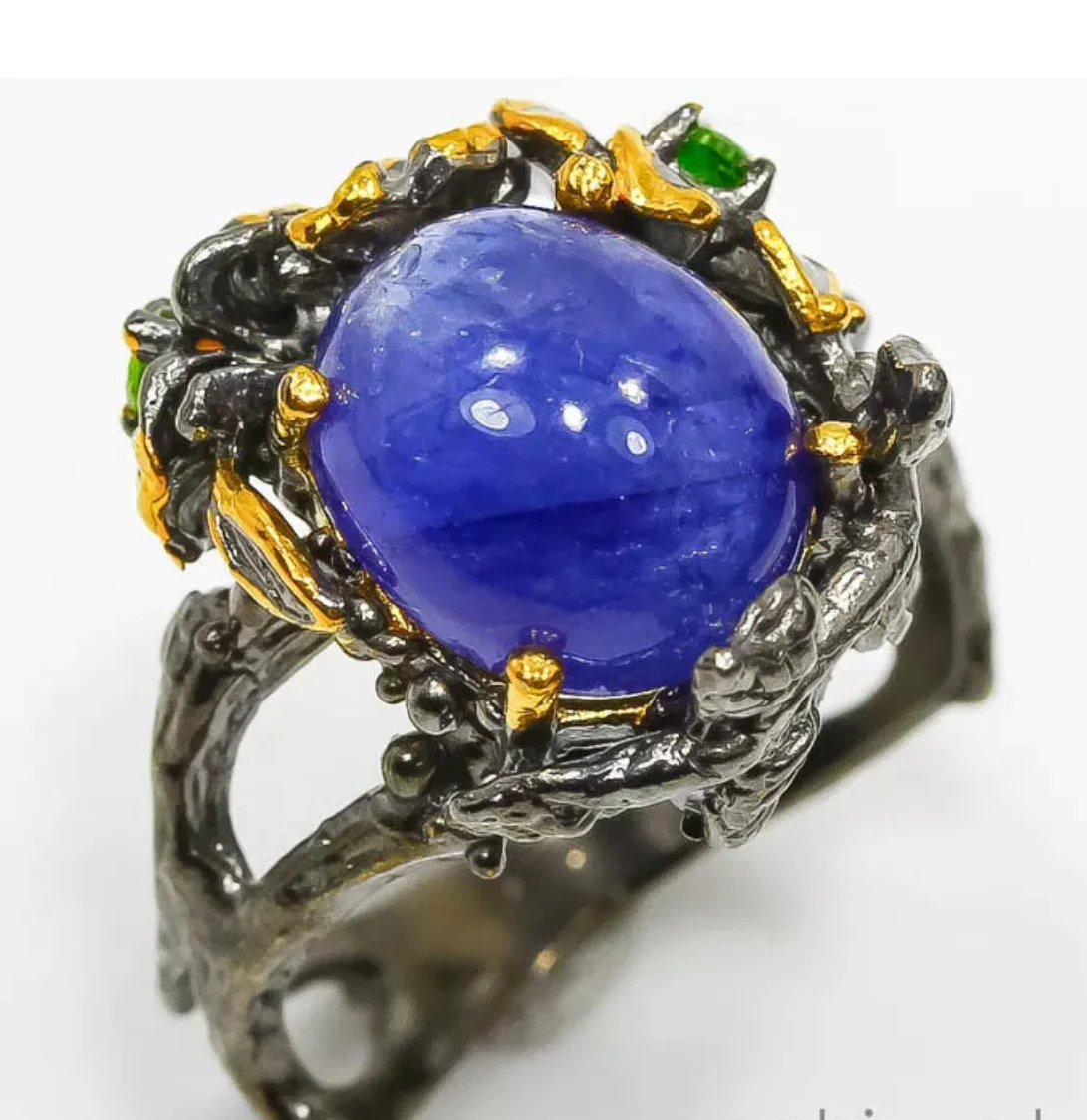
Sapphire, the birthstone of September, is most desired in its pure, rich blue color but is present in almost every color including pink, yellow and green. In the Middle Ages the gem was believed to protect those close to you from harm and also represented loyalty and trust.
Read More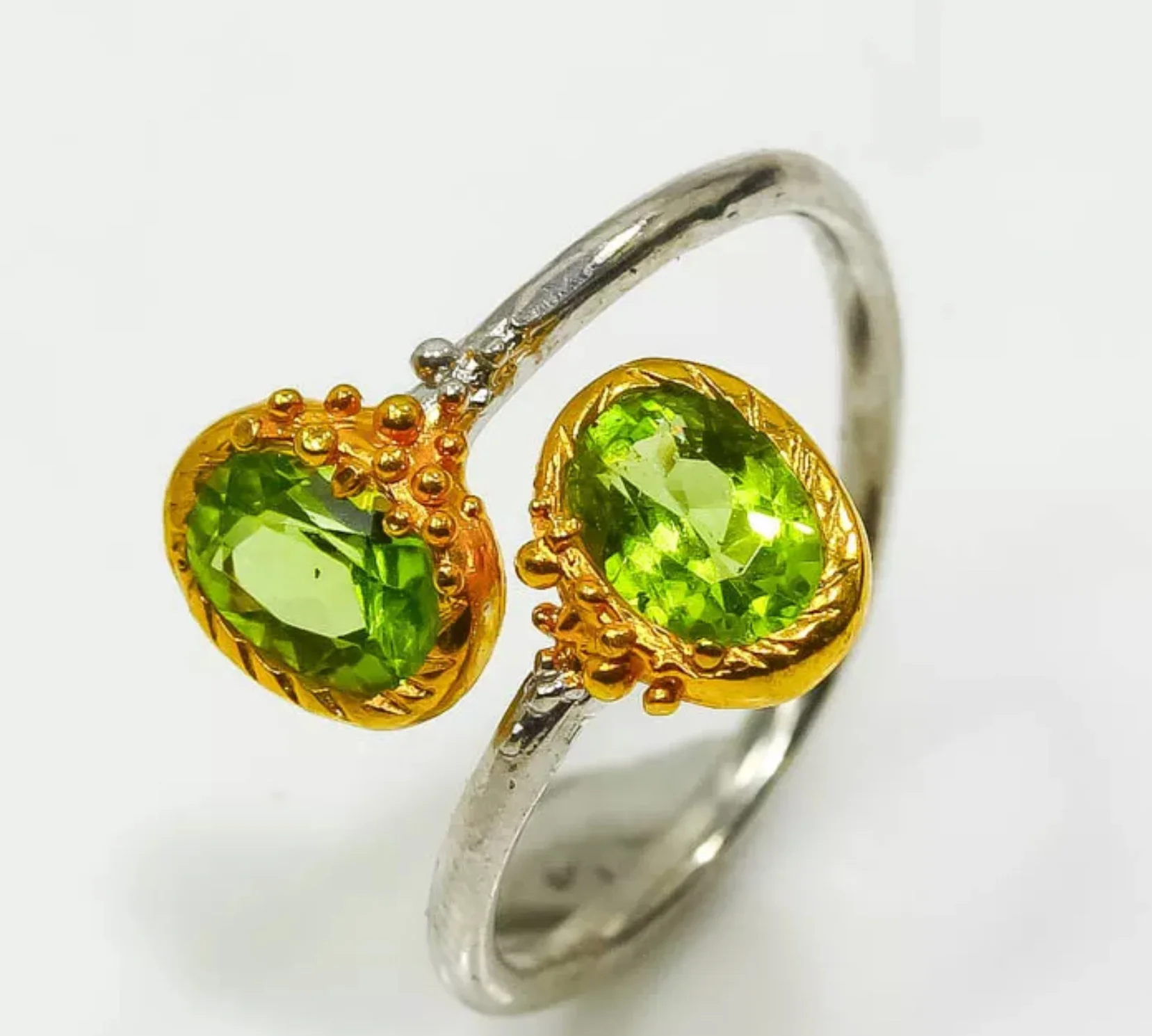
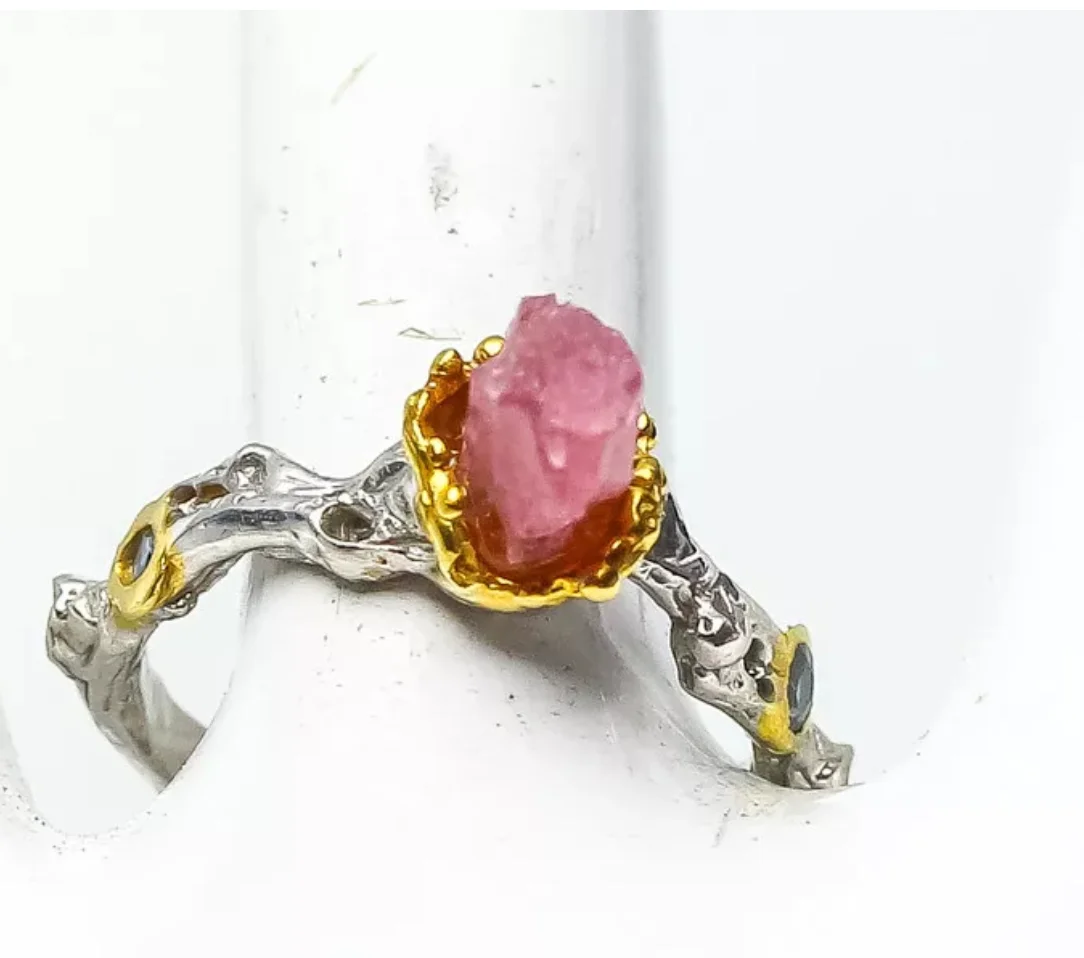
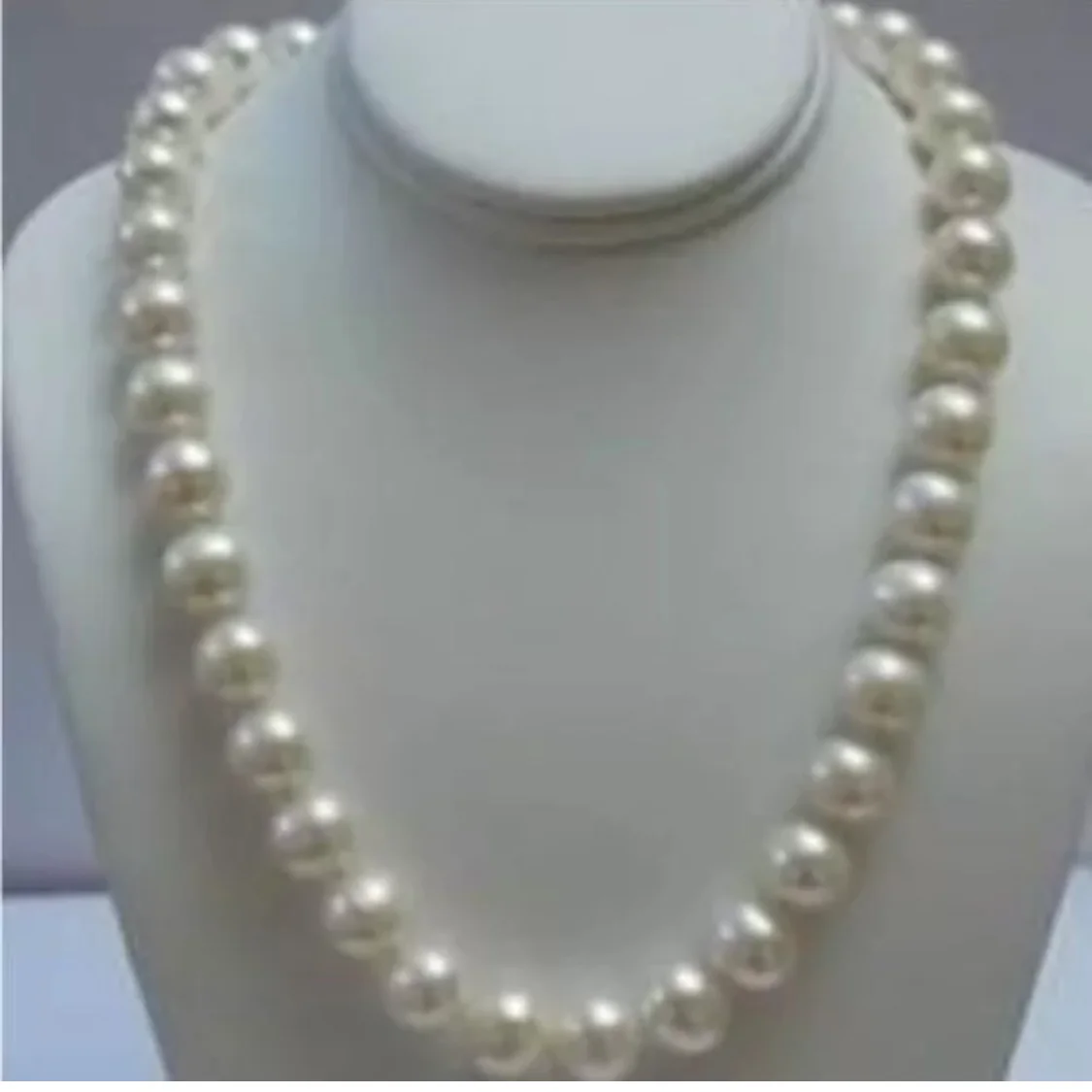
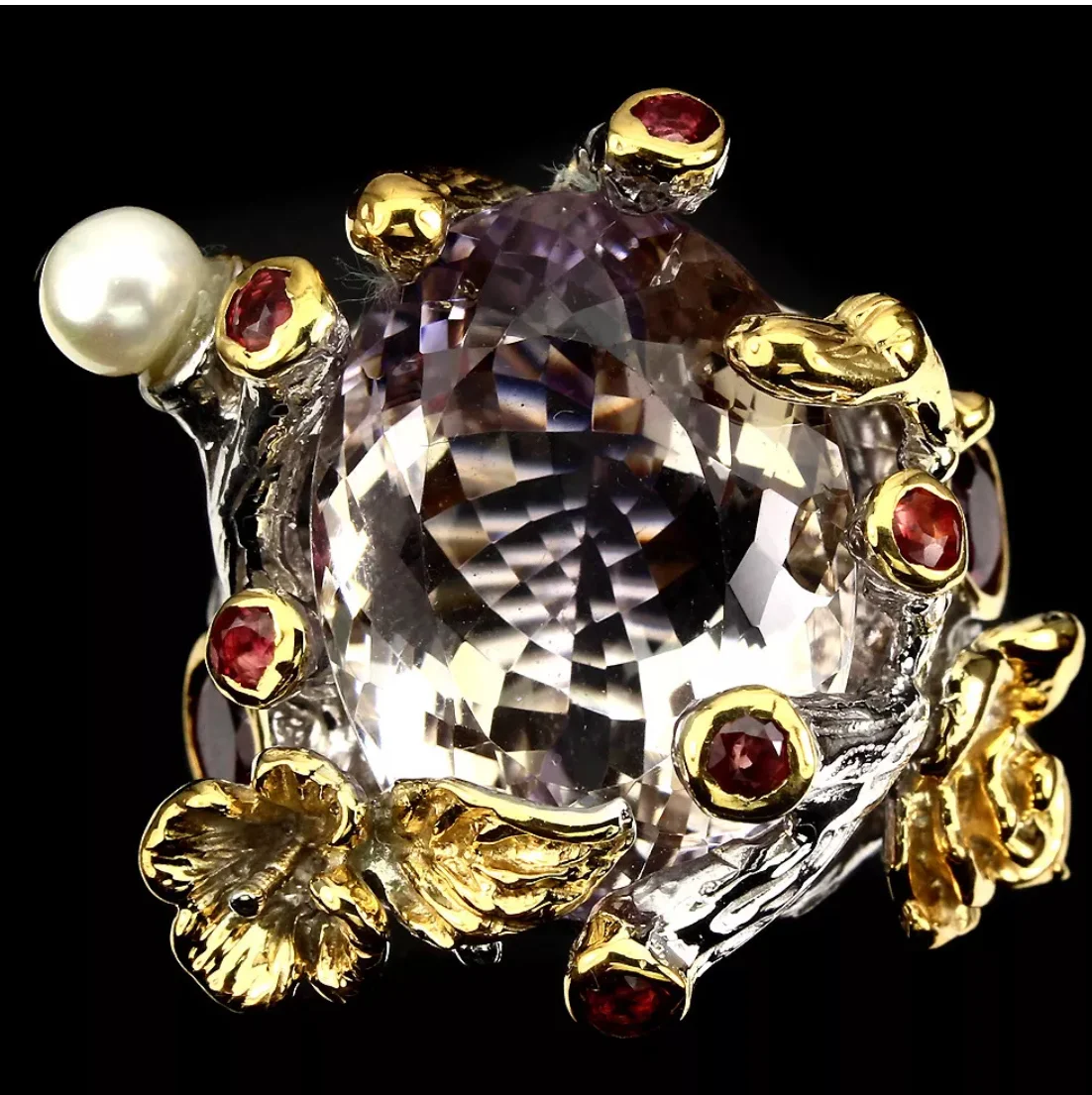
Here is an example of some of the fabulous pearls I have listed here on the site
Read More